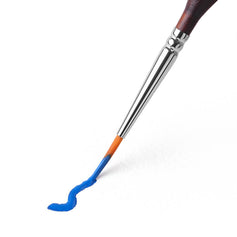

Miniature painting for beginners can feel exciting yet overwhelming, with stunningly detailed models online making you wonder how to start from zero. The good news is you don't need a massive studio or a huge budget.
Instead, focus on the right foundational tools to get those first layers looking smooth and professional. This guide breaks down exactly "what do I need to start miniature painting", helping you avoid wasting money on "extra" gear and get your hobby desk ready.
Essential Basic Tools for Miniature Painting
Before you touch a brush, you must prepare your models, as most come on plastic frames called sprues that require a bit of "surgery" before painting. Having the right essential supplies for beginner miniature painters at this stage saves hours of frustration and ensures your final paint job doesn't suffer from a poor build.
Miniature Primers: The Foundation of a Great Paint Job
You might be tempted to paint directly onto the plastic, but the paint will likely bead up or flake off. This is why we use primer on miniatures—it provides a "toothy" surface that the paint can actually grip onto.
- Spray Primers: These are the most popular because they are fast and provide a very thin, even coat that doesn't hide details.
- Brush-on Primers: These are great if you live in a high-humidity area or an apartment where you can't use spray cans indoors.
- Color Choice: Most beginners should start with a neutral grey or a black primer, as these are the most forgiving for various color schemes.
When looking for the best primer for plastic miniatures, stick to brands specifically designed for the hobby. Hardware store spray paint is often too thick and can melt the fine details on your models.
TIP: Watch the weather! If it's too humid or freezing outside, your spray primer might turn out "fuzzy" or textured. Always try to prime in a dry, room-temperature environment if possible.
How to Seal Painted Miniatures with Varnish
Once you've spent hours painting a hero, the last thing you want is for the paint to chip during a game. A miniature varnish acts as a transparent shield for your hard work.
- Matte Varnish: This is the standard for most painters as it removes the "plastic" shine and makes colors look realistic.
- Gloss Varnish: Use this sparingly for effects like wet blood, slimy monsters, or glowing gems to give them a reflective finish.
- Satin Varnish: This offers a middle ground, providing a slight sheen that looks great on leather or metallic armor.
Learning how to seal painted miniatures is a vital step in the process. A quick spray or brush-over with a sealant ensures your collection stays tabletop-ready for years to come. For beginners, a rattle-can matte varnish is the most efficient way to finish a project, but make sure to apply it in short, light bursts to avoid "clouding" the colors.
Basic Assembly: Nippers, Knives, and Glue for Models
Every model needs a little TLC before it's primed. You will need a few mechanical tools to remove the parts from the sprue and keep them looking clean.

- Sprue Nippers: These are specialized cutters with one flat side to snip parts off the frame without damaging the plastic. Choosing Ultra-Thin Model Scissors provides the extra precision needed to cut delicate pieces without stressing the plastic.
- Hobby Knife: Use this to carefully scrape away mold lines—those tiny raised lines where the two halves of the plastic mold met.
- Plastic Glue: Unlike super glue, plastic glue actually melts the two surfaces together for a permanent, unbreakable bond.
- Sanding Sticks: These are perfect for smoothing out any rough patches where you cut the model from the frame.
Investing in high-quality assembly tools early on will prevent you from accidentally cutting yourself or ruining a delicate sword or antenna.
Choosing Your First Set of Miniature Paints and Palettes
Miniature paint differs greatly from craft paint, boasting higher pigment density for very thin layers. When considering what I need to start miniature painting, I allocate most of the budget to quality paint, as superior pigments significantly flatten the learning curve.
Acrylic Hobby Paints: Why Quality Matters for Beginners
Most miniature painting for beginners revolves around water-based acrylics. They are easy to clean up, dry quickly, and can be thinned down with just a drop of water.
- Starter Sets: Most hobby brands like Golden Maple offer a "Core" set that includes the primary colors, a metallic, and a wash.
- The "Wash": Often called "talent in a bottle," a wash is a very thin paint that flows into the cracks to create instant shadows.
- Two Thin Coats: This is the golden rule. Never use paint straight from the pot; always thin it with water until it has the consistency of skim milk.
Acrylic model paints are built for layering, and thinning your paint is the biggest hurdle for new painters. If your paint obscures details, add a tiny drop of water. For expanding your collection, consider beginner-friendly paint bundles.
The Game Changer: Why You Need a Wet Palette

If you use a standard plastic plate, your paint will dry out in minutes. A wet palette keeps your paint usable for hours, or even days, by providing moisture from underneath.
- Saving Paint: You waste significantly less paint because it doesn't dry out while you are working on a single model.
- Blending: It makes it much easier to mix colors together to create custom shades and smooth transitions.
- DIY Options: You can actually make one yourself with a shallow Tupperware container, a wet paper towel, and some parchment paper.
The benefits of wet palette miniature painting are immediate. You will notice that your paint flows better and stays at the perfect "milky" consistency for much longer.
Selecting Your Must-Have Miniature Brushes
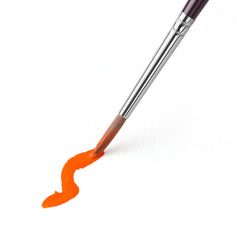
You don't need a huge brush set; most pros rely on just 2 or 3 high-quality brushes. For miniature painting beginners, prioritize a sharp, reliable brush tip above all else. This ensures your best brushes handle both basecoating and fine details smoothly, without bristles splitting.
Brush Materials: Natural vs. Synthetic
The first choice you'll face is the material of the bristles. Both have a place on your desk, especially when you are just starting mini painting and learning how to handle different mediums.

- Synthetic Brushes: These are cheaper and more durable. They are excellent for "dirty" work like applying metallic paints, heavy washes, or aggressive drybrushing that would ruin delicate hairs.
- Natural Hair: Usually made from Kolinsky Sable, these are the gold standard. They hold a needle-like point and retain moisture much better than synthetic fibers.
- The Hybrid Approach: Most beginners should use synthetics for the heavy lifting and save one high-quality natural brush for fine detailing and smooth layering where precision is everything.
Understanding Miniature Brush Sizes and Shapes
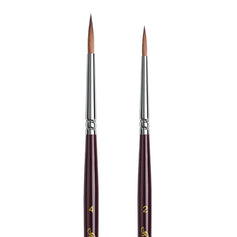
When learning how to choose miniature brushes, the numbering system can be a bit confusing. Brushes are categorized by numbers like 0, 1, or 2, with "00" or "000" representing even smaller tips.
It is a common mistake to grab the smallest brush possible for tiny details. However, if the bristles are too short, the paint dries before it even touches the model. This is where the "belly" (the middle part of the bristles) comes in.

- The Workhorse (Size 1 or 2 Round): This is your main tool. It has a large enough belly to keep paint wet, but comes to a fine point for 80% of your painting tasks.
- The Detailer (Size 0 or 00 Round): Use this for the absolute tiniest spots, like the whites of an eye or a glowing gemstone, where a Size 2 might be too bulky.
-
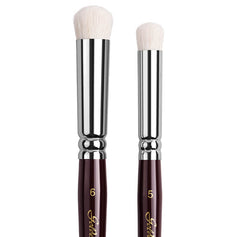
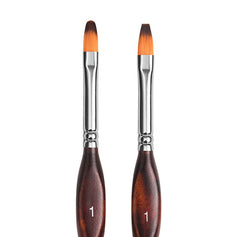
The Flat Brush: These have a square, blunt end. They are perfect for painting tanks, large flat surfaces, or using a technique called drybrushing to catch raised edges.
Focusing on these essential miniature brush types ensures you have the right tool for the job. A larger brush with a sharp point is always better than a tiny brush with frayed bristles that won't hold its shape.
Pro-Tips for Cleaning and Maintaining Your Brushes
Brushes are an investment, and even a beginner brush set can last a long time if handled properly. The quickest way to ruin a brush is to let paint dry in the "ferrule"—the metal part holding the hairs.

- Rinse Often: Don't let paint sit on the hair for more than a few minutes. Give it a quick dip and a swirl in your water pot frequently.
- Use Brush Soap: Once a week, use a dedicated brush cleaner to condition the hairs and remove deep-seated pigment that water alone can't reach.
- Proper Storage: Always store your brushes horizontally or with the tip pointing down (using the plastic cap). This prevents water from seeping into the handle and rotting the glue.
By mastering cleaning miniature paint brushes early on, you save money and ensure that your tools are always ready for your next session. Proper care is the difference between a tool that lasts a month and one that lasts a year.
Setting Up Your Miniature Painting Space
You don't need a dedicated "hobby room," but having a consistent spot to paint will make you much more likely to actually do it. Ergonomics plays a huge role in how long you can paint comfortably.
The best lighting for miniature painting beginners is often a simple LED desk lamp with a "daylight" bulb. This ensures that the colors you see on the desk are the same colors people will see under game-store lights.
- Desk Height: Try to sit at a height where you aren't slouching; your back will thank you after a two-hour painting session.
- Organization: Use small racks or even nail polish organizers to keep your paints visible so you aren't digging through a box.
- Water Pots: Use two pots—one for "clean" water and one for "dirty" water (especially for metallic paints).
Finding an ergonomic hobby chair or an adjustable desk lamp can drastically improve your experience. A comfortable space turns miniature painting from a chore into a relaxing escape.
Beyond the Basics: Useful Upgrades
Once you have the essential supplies for beginner miniature painters, you might want to look into a few "quality of life" upgrades. These aren't mandatory, but they certainly make the hobby more fun.
- Painting Handle: Instead of holding the model by the base, a handle gives you a better grip and prevents your hand from cramping.
- Vortex Mixer: If you have paints that have sat for a while, a vortex mixer shakes them up perfectly in seconds.
- Magnifying Lamp: If you struggle with tiny details like eyes, a magnifying glass with a built-in light is a total lifesaver.
- Airbrushing: While most start with spray primers, an airbrush is the ultimate upgrade for smooth basecoats. Using an airbrush thinner will help you use the airbrush more easily by keeping the paint flow consistent.
- Magnetic Alligator Clips: Perfect for sub-assemblies, this holds small parts like heads or weapons steady at any angle. The magnetic base and bendable necks make painting those hard-to-reach details much easier.
- Texture Pastes: These are thick "muds" you can spread on the base of the model to create realistic dirt, sand, or snow instantly.
These useful tools for miniature painters are great items to put on a birthday or holiday wishlist once you know you're committed to the hobby.
Start Your Miniature Painting Journey Today!
The most important part of miniature painting for beginners isn't a perfect studio—it’s simply putting paint on a brush. Every pro started exactly where you are now, with a few messy models and plenty of questions.
Gather these essentials to skip common frustrations and focus on being creative. Ready to bring your characters to life? Explore with GoldenMaple to kickstart your miniature painting journey today—your army is waiting!