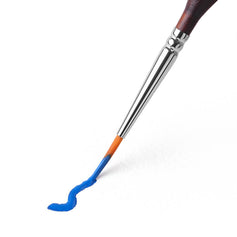

If you're searching for the best acrylic paint for miniature painting, you're not alone. Acrylic paint has become the top choice for hobbyists, tabletop gamers, and professional miniature artists thanks to its fast drying time, vibrant colors, and incredible versatility. In this in-depth guide, you'll learn what acrylic paint for miniature models is, why it works so well, how to choose the right type, and how to use it to achieve clean, detailed, and durable results.
What Is Acrylic Paint and Why It's Perfect for Miniatures
Acrylic paint is a fast-drying, water-based paint made from pigment suspended in an acrylic polymer emulsion. Once dry, it becomes water-resistant and forms a flexible, durable paint film.
For miniature painting, acrylic paint offers several unmatched advantages:
- Fast drying - ideal for layered, step-by-step workflows
- Vibrant, stable colors - excellent saturation even at small scale
- Water-based & low odor - safer for long painting sessions
- Easy to thin and control - perfect for precision detail work
Because miniature models require small brush strokes, mutiple layers, and accurate color placement, acrylic paint for miniature projects delivers speed and control that oils and watercolors simply can't match.

Why Acrylic Paint Is Ideal for Miniature Models
Fast Drying for Multi-Step Painting
Miniature painting often involves basecoating, shading, highlighting, and detailing—sometimes on areas just a few millimeters wide. Acrylic paint typically dries to the touch in 10–30 minutes, allowing painters to move quickly between steps without smudging previous layers. This makes acrylic paint for miniature armor, faces, and weapons especially efficient.
Strong Coverage and Color Accuracy
High-quality miniature acrylic paints use finely milled pigments that provide excellent opacity. This ensures clean edges, accurate color separation, and sharp details such as insignias, facial features, and engraved lines—critical for smallscale models.
Flexible for Multiple Techniques
One of the biggest advantages of acrylic paint for miniature painting is its adaptability:
- Thinned acrylics create transparent glazes and smooth gradients
- Thick acrylics or gels build texture for rocks, cloth, and terrain
- Dry brushing highlights raised details with ease
- Layering allows precise control of light and shadow
This versatility means one paint type can handle nearly every miniature painting technique.
Durable and Long-Lasting
Once cured, acrylic paint forms a flexible polymer layer that resists cracking, fading, and handling. This durability is essential for tabletop miniatures, display figures, and collectibles that are frequently touched or exposed to light.
Safe and Easy to Clean
Acrylic paint for miniature use is nontoxic, lowodor, and cleans up with water. Brushes, palettes, and tools can be cleaned easily, making acrylics ideal for long sessions and home studios.

Types of Acrylic Paint for Miniature Painting
Hobby-Grade Miniature Acrylic Paint
These paints are specifically formulated for miniatures and offer:
- High pigment density for strong coverage and vivid color
- Smooth flow that won't clog fine brushes
- Matte or satin finishes that reduce glare and enhance realism
Hobby-grade acrylic paint for miniature models is the best choice for detail work, character faces, armor edges, and precision highlights.
Contrast / Speed Paints
Contrast and speed paints are specialty acrylic paints designed to create shading and highlights in a single coat. They flow into recesses while leaving raised areas lighter, making them perfect for fast tabletop armies and highcontrast results.
Metallic Acrylic Paints
Metallic acrylic paints contain mica particles that reflect light, creating realistic metal finishes. Gold, silver, and gunmetal acrylic paint for miniature weapons, armor, and machinery adds instant realism and depth.
Shop miniature paints with a rich selection of colors, including metallic paints and wash paints.
Miniature Acrylic Paint vs. Regular Acrylic Paint
Craft acrylics are cheaper and widely available, but they are thicker and less refined. While they can work for large base areas or terrain, they are not ideal for fine details due to:
- Coarser pigment particles
- Poor flow at small scale
- Reduced control and consistency
Use them for practice, scenery, or background elements - but avoid them for high-detail miniature work.
| Feature | Miniature Acrylic Paint | Regular Acrylic Paint |
| Viscosity | Optimized for detail work | Too thick or too thin |
| Pigment Quality | High density, ultra-fine | Varies, often lower |
| Coverage | Excellent single-layer coverage | Inconsistent at small scale |
| Durability | Designed for handling & gameplay | Moderate |
| Detail Control | Precision-focused | Limited |
Essential Colors for Miniature Acrylic Painting
A well-rounded acrylic paint for miniature palette includes:
- Primary colors - red, blue, yellow for color mixing
- Neutral tones - black, white, grey, brown for shading and balance
- Skin tones - warm and cool variations for realistic characters
- Metallics - gold, silver, gunmetal for armor and weapons
- Washes & shades - thin acrylics for recess shading and depth
Key Features to Look for in Acrylic Paint for Miniatures
Choosing the right acrylic paint for miniature painting directly affects detail clarity, workflow efficiency, and long-term durability. The following features are essential when working at small scale.
1. Pigment Quality & Opacity
High-quality acrylic paint for miniature use contains finely milled, high-density pigments that produce rich, vibrant colors. Strong opacity reduces the number of coats needed, helping preserve sharp sculpted details.
2. Consistency & Flow Control
Miniature acrylic paint should have a smooth, medium consistency straight from the bottle. Proper flow ensures the paint settles cleanly into recesses and edges without clogging fine details or leaving brush marks.
3. Balanced Drying Time
While fast drying is a key advantage of acrylics, miniature paints should not dry too quickly on the palette. A balanced drying time allows for controlled layering, smoother blends, and more precise highlights.
4. Easy Thinning Performance
Good acrylic paint for miniatures thins easily with water or acrylic mediums without pigment separation. This allows painters to maintain color strength when glazing, layering, or working with ultra-fine brush strokes.
5. Matte or Satin Finish
Most miniature painters prefer a matte or satin finish, as it minimizes glare and improves realism at small scale. Controlled finishes help viewers focus on sculpted details rather than unwanted shine.
6. Durability & Adesion
High-quality miniature acrylic paint adheres strongly to primed plastic, resin, and metal surfaces. Durable paint films resist chipping, fading, and wear during handling or tabletop gameplay.
7. Wide and Practical Color Range
A broad, well-organized color range reduces the need for excessive custom mixing. Access to specialty shades such as metallics, earth tones, and washes significantly expands creative flexibility.
8. Safety Standards
Look for acrylic paints that comply with safety standards such as ASTM D-4236. Certified non-toxic formulas are especially important for long painting sessions and home studios.
How to Use Acrylic Paint for Miniatures
Surface Preparation
-
- Wash models to remove mold release oils
- Let dry completely
-
Apply a matte primer for optimal adhesion
Thinning Acrylic Paint
Thin acrylic paint for miniature work to a milklike consistency. Paint that’s too thick obscures details; paint that’s too thin loses control and coverage.
Core Painting Techniques
-
- Basecoating - establish main colors
- Layering - build depth and highlights
- Washing - deepen recesses and shadows
- Glazing - adjust color tone subtly
- Dry brushing - emphasize raised details
- Edge highlighting - sharpen shapes and contours
Conclusion
Acrylic paint for miniature painting offers the perfect balance of speed, control, durability, and versatility. Whether you’re painting D&D figures, Warhammer armies, or display models, acrylics give you the precision and reliability needed to bring tiny worlds to life. Experiment with techniques, explore different paint types, and refine your workflow—the possibilities are endless.
Frequently Asked Questions(FAQ)
Why is my paint not sticking to my minis?
This is usually caused by missing primer, surface oils, or overthinned paint. Always wash and prime your miniatures before painting.
Can you paint D&D miniatures with acrylic paint?
Yes. Acrylic paint is the most popular and beginnerfriendly option for D&D miniatures.
What is the disadvantage of acrylic paint?
Acrylic paint dries quickly, which can make blending harder. Once dry, it cannot be reactivated, so mistakes must be painted over.