
Metallic elements are everywhere in miniature painting—from a knight’s blade to a warrior’s armor or the mechanical details on a sci-fi construct. They’re small areas, but they often define the visual impact of a model.
To paint them, hobbyists usually rely on two approaches: Non-Metallic Metal (NMM), which simulates metal using matte paints, and True-Metallic Metal (TMM), which uses real metallic paints for natural shine.
So how do they differ, and which one should you use for your next project? Let’s explore both techniques and find out what works best for your style.
What is TMM (True-Metallic Metal)?
True-Metallic Metal (TMM) uses specialized metallic paints to recreate realistic metal surfaces. For many hobbyists, it's the fastest and most intuitive way to paint armor, weapons, and machinery.

How TMM Painting Works
- Inside the bottle, metallic paints for miniatures contain microscopic flakes of aluminum or mineral mica suspended in the acrylic binder.
- When brushed onto a model, these flat flakes settle to act like thousands of tiny mirrors, physically reflecting the ambient light in your room.
- Miniature Painters usually guide this reflection by laying a mid-tone metallic base, washing darker shades into the recesses, and applying a bright silver to the edges.
- This creates a dynamic surface where the highlights naturally shift across the model under a desk lamp, eliminating the need to paint fake reflections.
Benefits of TMM
- It has an incredibly gentle learning curve and is highly forgiving since the paint itself does the heavy lifting of reflecting light.
- It allows you to basecoat models rapidly, making TMM painting exceptionally efficient for batch-painting tabletop armies or meeting tight deadlines.
- The metallic finish looks cohesive and natural from any viewing angle because it interacts dynamically with the real-world light around you.
Limitations of TMM
- Because it depends entirely on ambient light, the metallic surfaces can look surprisingly dull or flat in rooms with weak or poor lighting.
- Photographing metallic pigments is notoriously tricky; camera lenses struggle with the reflective flakes, creating unpredictable glare that can wash out subtle details.
What is NMM (Non-Metallic Metal)?
Non-Metallic Metal (NMM) creates the illusion of metal using matte acrylic paints. Instead of relying on reflective pigments, it recreates how light interacts with polished metal through carefully painted highlights and shadows.

How NMM Painting Works
- At its heart, NMM painting is about capturing light, not metal. It is all about studying how a beam of light hits a shiny surface and bends when you look at it from different angles.
- To pull this off, you use standard, flat matte acrylic paints like grays, blues, or yellows to blend smooth transitions from dark to light on your model.
- By putting your brightest highlights right next to your deepest shadows, you create the intense contrast that makes an object look shiny.
- You also have to hand-paint little details like reflections of the sky or the ground, which tricks the viewer's eye into seeing a polished, reflective finish.
Benefits of NMM
- You get total control over where the light hits, meaning your model always looks dramatic and eye-catching no matter how bad the lighting is in the room.
- Without real metal flakes to catch annoying glare, your models look incredibly clean and realistic in photos and on social media.
- It forces you to learn how light actually behaves, which is one of the best ways to level up your overall painting skills.
Limitations of NMM
- It is incredibly hard to master, requiring seamless blending skills that can easily frustrate beginners.
- It takes a massive amount of time; spending hours glazing a single sword makes it impossible to use for painting a whole gaming army.
- Since the reflections are painted in place, the metallic illusion can look a bit strange if you view the model from the wrong angle.
Core Differences Between NMM and TMM
While both techniques aim to recreate convincing metal surfaces, the key difference between NMM and TMM lies in how they handle light, workflow, and the final visual result.
|
Feature |
TMM (True-Metallic Metal) |
NMM (Non-Metallic Metal) |
|
Reflective Mechanism |
Dynamic physical reflection (shifts with real-world light) |
Static painted reflection (fixed onto the miniature) |
|
Primary Materials |
Metallic paints with real metallic particles |
Standard matte acrylic paints |
|
Efficiency & Speed |
Highly efficient and fast |
Extremely time-intensive and slow |
|
Best Application |
Tabletop armies, gaming pieces, batch painting |
Showcase models, competition entries, photography |
Best Use Cases
- Tabletop Armies & Gaming Pieces: TMM is the undisputed king here due to its speed, durability, and natural look under varying game-room lights.
- Display Models & Competition Entries: NMM excels in these controlled environments, where dramatic, painted-on contrast can be tailored to a specific angle.
- Miniature Photography: NMM photographs flawlessly without the unpredictable glare or graininess that often plagues real metallic paints.
- Speed Painting: TMM requires far fewer steps and layers, making it the only practical option when you are short on time.
How to Choose Between TMM and NMM?
Choosing between NMM and TMM ultimately depends on your goals, experience, and the type of miniature you're painting.
Choose TMM for Speed and Efficiency
- If you are new to the hobby, TMM lets you get comfortable with paint consistency and basic brush control without the stress of advanced light theory.
- For those painting a massive tabletop army, TMM’s fast workflow ensures your models look great together in a cohesive force on the gaming table.
- It is the best choice if you prefer realistic, physical reflections that change naturally depending on how you hold the miniature.
Choose NMM for Artistic Control
- If you love studying light and shadow, NMM will challenge you to think about contrast, volume, and color reflection in a whole new way.
- It is the go-to technique for painting competition entries, showcase display models, or miniatures designed specifically for social media photography.
- Choose this path if you are comfortable spending hours on a single model and enjoy the patient, meditative process of precise glazing.
Try a Hybrid Approach
- You don't have to choose one over the other—many experienced painters blend both styles on the same miniature.
- A hybrid approach typically involves painting a base of real metallic paint, then shading and highlighting it using NMM contrast rules.
- This gives you the natural shimmer of metallic pigments, but with the dramatic pop and clean shadows of hand-painted highlights.
Essential Tools for Metallic Miniature Painting
Once you've decided which technique best fits your painting style, having the right tools will make the learning process much smoother.
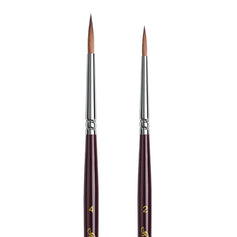
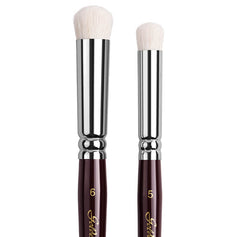
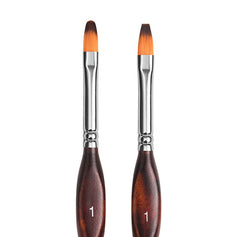
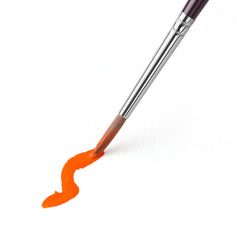
- Use natural sable miniature painting brushes for smooth NMM blends, but stick to cheaper synthetics for TMM to prevent metallic flakes from ruining expensive bristles.
- Keep a few ultra-sharp detail brushes (size 0 or 00) on hand to paint those hairline edge highlights that make metal armor trim pop.

- If you are new to NMM, grab a pre-curated NMM paint set (like steel gray or gold) to save yourself the headache of mixing exact color gradients from scratch.
- When using metallic paints for miniatures, keep them on a dry palette so they don’t separate, and use a separate rinse cup to avoid leaving metallic glitter in your matte paints.
Choose Your Metal Style
In the end, metallic effects in miniature painting are less about rules and more about intention. Some projects call for speed and practicality, while others reward patience and visual storytelling.
Whether you prefer the natural shine of TMM or the hand-painted realism of NMM, both can produce impressive results when used with purpose. The real skill is knowing when to use each one—and how to make them work for your style rather than against it.
The best way to start your miniature painting journey with metals is to try both techniques on the same miniature—you may find that each has its place in your painting toolkit.