

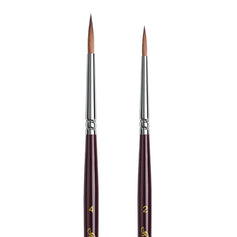
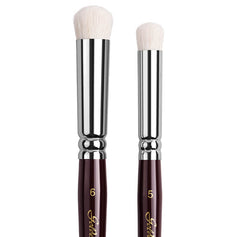
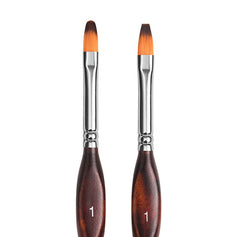
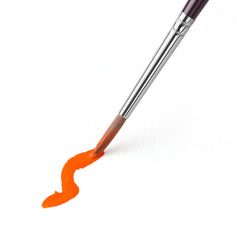
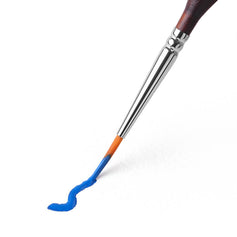

Choosing between sable and synthetic brushes can make a noticeable difference in miniature painting. The right brush affects how precisely you place paint, how smoothly you layer colors, and how much control you have over fine details.
But the difference isn't simply about natural hair versus synthetic fibers. The structure of the bristles influences point retention, paint capacity, spring, and durability—and those characteristics affect how a brush feels and performs on a miniature.
So, sable vs synthetic brushes: which is better for miniature painting? Let's look at how each material works, where it performs best, and how to choose the right brush for your painting style.
What Is a Sable Brush?

A sable brush is made from natural animal hair, traditionally valued for its combination of softness, flexibility, and resilience. For miniature painting, these properties are especially useful when you need controlled paint flow and a sharp point.
Natural hair has a more complex surface structure than manufactured fibers. Individual hairs naturally taper toward the tip, while the structure and shape of the hair influence how the fibers interact with paint.
The result is a brush that can combine:
- A fine natural point for precise details
- A fuller belly that can hold a useful amount of diluted paint
- Flexible movement for controlled strokes
- Good point recovery after repeated use
This combination makes sable brushes for miniature painting particularly useful for layering, glazing, edge highlighting, and fine detail work.
Kolinsky Sable vs Regular Sable
Not all sable brushes perform the same way. Kolinsky sable brushes are generally considered a premium option because their hair can provide an excellent balance of point, spring, flexibility, and paint capacity.
|
Feature |
Kolinsky Sable |
Regular Sable |
|
Point |
Extremely fine and consistent |
Fine, but can vary |
|
Paint Capacity |
High |
Moderate to high |
|
Flexibility |
Balanced |
Generally softer |
|
Spring |
Responsive |
Softer |
|
Best For |
Fine details, layering, glazing |
General detail work |
|
Price |
Higher |
Usually more affordable |
For painters who regularly work on display-quality miniatures, a high-quality Kolinsky sable brush can be a worthwhile investment.
What Are Synthetic Brushes?

Synthetic brushes use manufactured filaments, commonly made from materials such as nylon or polyester. Unlike natural hair, these fibers can be engineered with controlled diameters, stiffness, tapers, and surface characteristics.
This gives manufacturers more control over how the finished brush behaves.
Modern synthetic fibers can be designed with specific levels of flexibility and spring, while some are shaped or textured to improve paint handling. As a result, quality synthetic brushes can provide:
- Predictable spring and responsiveness
- Consistent fiber shape
- Good resistance to repeated use
- Easier maintenance
- Lower cost than many natural-hair brushes
For synthetic brushes for miniature painting, these characteristics make them especially practical for basecoating, metallic paints, drybrushing, stippling, and other techniques that can put more stress on a brush.
Why Use Synthetic Brushes for Metallic Paints?
Metallic paints deserve special consideration when choosing a brush.
Their metallic pigment particles can be harder to rinse completely from a brush, particularly when paint works into the belly or near the ferrule. With repeated use, this can make it harder to maintain the crisp point of a premium sable brush.
That's why many miniature painters prefer to reserve their synthetic brushes for metallic paints.
Synthetics are generally easier to clean and more forgiving when used with paints containing heavier particles. They are also a practical choice for drybrushing and other techniques where brush wear is less of a concern.
In practice:
Sable → fine details, layering, glazing, and precision
Synthetic → metallics, basecoating, drybrushing, and heavier-use techniques
Sable vs Synthetic Brushes: What's the Difference?
The differences become more useful when you look at what actually happens while painting.
|
Performance |
Sable |
Synthetic |
|
Point |
Excellent |
Good to very good |
|
Paint Capacity |
High |
Low to moderate |
|
Spring |
Soft, responsive |
Firmer, predictable |
|
Fine Details |
Excellent |
Good |
|
Layering & Glazing |
Excellent |
Good |
|
Basecoating |
Good |
Excellent |
|
Drybrushing |
Not ideal |
Excellent |
|
Durability |
Requires more care |
Generally higher |
|
Price |
Higher |
Lower |
Point & Paint Flow

One of the biggest advantages of sable is its ability to form a fine, controlled point.
The naturally tapered structure of sable hair allows many individual hairs to converge into a precise tip. When properly shaped, a larger brush can still produce very fine details while the fuller belly holds more paint.
For miniature painters, this can mean fewer trips to the palette and smoother, more consistent strokes.
This is particularly useful for:
- Edge highlights
- Eyes and facial details
- Fine lines
- Small decorative elements
- Layering and glazing
A good synthetic can also form a sharp point, but the feel and paint capacity can differ depending on the filament and brush construction. Synthetic brushes are often better suited to situations where you want a smaller, more controlled amount of paint.
Spring & Durability

Spring describes how readily the bristles return to their original shape after pressure is applied.
- Sable generally offers a softer, more responsive feel. The brush bends naturally as pressure changes, which can make subtle transitions and controlled strokes feel fluid.
- Synthetic fibers tend to provide a firmer and more immediate response. This can make them feel predictable when pushing paint around or working with techniques that require repeated contact with the miniature.
Durability is another important difference.
- Synthetic brushes are generally more forgiving when exposed to basecoating, drybrushing, metallics, stippling, and other techniques that can cause more wear.
- Sable requires more careful miniature brush care, but a high-quality brush can remain useful for a long time when properly maintained.
Price also matters. Synthetic brushes are generally more affordable, while premium Kolinsky sable brushes cost more because of the quality and characteristics of the natural hair.
How to Choose the Right Brush for Miniature Painting?
The best brush for miniature painting depends less on the material alone and more on what you actually paint.
Match the Brush to the Technique
|
Painting Task |
Recommended Brush |
|
Fine details |
Kolinsky sable |
|
Layering |
Sable |
|
Glazing |
Sable |
|
Edge highlighting |
Sable |
|
Basecoating |
Synthetic or larger sable |
|
Metallics |
Synthetic |
|
Drybrushing |
Synthetic |
|
Stippling & texture |
Synthetic |
You don't need a separate brush for every technique. Instead, use the material where its strengths matter most.
Choose sable when you frequently:
- Layer thin coats
- Glaze transitions
- Paint fine details
- Edge highlight
- Need smooth, controlled paint flow
Choose synthetic when you frequently:
- Basecoat large areas
- Apply metallics
- Drybrush
- Stipple textures
- Use techniques that cause more brush wear
For many painters, using both is the most practical solution.
Choose the Right Brush Size
Don't assume that a smaller brush is always better for miniature painting.
A quality size 1 or size 2 miniature painting brush can often create surprisingly fine details because the point remains sharp while the belly holds more paint.
As a general starting point:
- Size 0–00: very small details
- Size 0–1: precision work and highlights
- Size 1–2: general miniature painting
- Larger rounds: basecoating and larger surfaces
Brush sizes can vary between manufacturers, so the shape and point are often more important than the number printed on the handle.
Look Beyond the Hair
Bristle material isn't the only factor that determines brush quality. Also consider:
- Point consistency
- Ferrule construction
- Handle shape and comfort
- Hair density
- Belly shape
- Overall craftsmanship
A well-made synthetic can outperform a poorly constructed natural-hair brush, and a premium material cannot compensate for poor brush construction.
Which Brush Should You Choose?
There isn't a single winner in the sable vs synthetic brushes for miniature painting debate.
The better choice depends on your painting style, techniques, and budget.
Best Setup for Beginners
If you're building your first collection, you don't need several expensive sable brushes.
A practical setup could include:
- One quality sable brush for detail work and layering
- One medium synthetic brush for general work and basecoating
- One inexpensive synthetic brush for drybrushing, metallics, and rough techniques
This gives you different performance characteristics without requiring a large investment.
The Hybrid Approach for Experienced Painters
Experienced painters rarely need to choose only one material.
A hybrid brush setup lets you use each brush where its strengths matter most:
- Sable → precision, layering, glazing, and fine details
- Synthetic → basecoating, metallics, drybrushing, and texture
Instead of asking which material is universally better, think about which brush gives you the most control for the task in front of you.
Quick Tips for Brush Maintenance

Even the best miniature painting brushes will wear out quickly if they are not cleaned properly. Good brush care is especially important for sable brushes, which require more attention to preserve their fine point.
- Rinse the brush regularly while painting.
- Avoid letting paint dry near the ferrule.
- Don't overload the brush with paint.
- Use a gentle brush cleaner for routine cleaning.
- Use a small amount of brush cleaning soap when deeper cleaning is needed.
- Reshape the point after cleaning.
- Store brushes with the tip protected.
- Keep premium sable brushes away from unnecessarily harsh techniques.
A good cleaning routine helps remove residual pigment and keeps the bristles flexible and responsive. For miniature painters who use their brushes frequently, dedicated brush-cleaning soap can be particularly useful for maintaining the shape and performance of a favorite sable brush.
Pick Your Perfect Brushes Today
The real answer to sable vs synthetic brushes isn't about choosing one material and ignoring the other.
Sable excels when you need a fine point, smooth paint flow, and responsive control, while synthetic brushes offer durability, consistency, and excellent value for everyday techniques.
For most miniature painters, the best setup is a combination of both—using sable brushes for miniature painting when precision matters and synthetics when durability matters more.