
Miniatures come in many forms, from historically accurate tanks and aircraft to fantasy heroes, dollhouses, and immersive display scenes. Each type offers a different creative experience, with its own techniques, tools, and community.
Whether you are drawn to painting characters, building realistic vehicles, or crafting tiny worlds, understanding the different types of miniatures is the best place to start. This guide explores the five most popular categories and helps you discover which one fits your interests best.
Scale Models: Recreating Reality in Miniature
Among the many types of miniatures, scale models are often where people first discover the hobby. They offer the satisfaction of recreating real-world vehicles, aircraft, ships, and buildings with remarkable precision.
Unlike fantasy figures or tabletop miniatures, scale model kits focus on realism. Every part is carefully scaled down from the original, allowing builders to combine craftsmanship, painting, and historical accuracy in a single project.
Popular Types of Scale Models
The world of plastic model kits offers an impressive variety of subjects, each with its own building techniques and painting challenges.
Some of the most common categories include:

- Military models such as tanks, armored vehicles, and artillery
- Model aircraft, from WWII fighters to modern commercial and military planes
- Ship models, including battleships, submarines, and sailing vessels
- Car models, featuring everything from vintage classics to modern supercars
- Railway models, including locomotives and rolling stock
Many builders go beyond basic assembly by using techniques like airbrushing, panel lining, washes, and weathering to recreate realistic wear, rust, dust, and battle damage.
Common Scale Ratios
One of the first things you'll notice when shopping for scale model kits is the scale ratio. It indicates how much smaller the model is than the real object and often determines the level of detail, display size, and painting difficulty.
|
Scale |
Common Subjects |
Best For |
|
1:6 |
Military figures, collectibles |
Display pieces with exceptional detail |
|
1:12 |
Motorcycles, large display models |
Collectors and showcase builds |
|
1:24 |
Cars and trucks |
Automotive model enthusiasts |
|
1:35 |
Tanks, military vehicles |
Military modeling and dioramas |
|
1:48 |
Aircraft, armored vehicles |
Builders seeking detail and manageable size |
|
1:64 |
Die-cast and collectible cars |
Compact collections |
|
1:72 |
Aircraft, tanks, military kits |
Beginners and space-saving collections |
|
1:144 |
Aircraft, spacecraft |
Large collections in a small footprint |
The best scale comes down to your interests, display space, and how much detail you enjoy building and painting.
Tabletop Gaming Miniatures: Bring the Game to Life
While scale models are built to recreate real-world objects, tabletop miniatures are made for action. These wargaming miniatures represent soldiers, heroes, monsters, and futuristic warriors, bringing battles and adventures to life on the tabletop.
Usually measured in 28mm or 32mm (from the feet to eye level), these miniatures combine painting and gameplay into one hobby. Players can build armies, customize their models, and use their painted collections in strategic battles or role-playing adventures.

Some of the most popular tabletop gaming worlds include:
- Warhammer 40k: One of the most influential sci-fi wargames, where players command powerful armies across futuristic battlefields. Gameplay focuses on army building, tactical movement, and dice-based combat between different factions.
- Dungeons & Dragons (D&D): A legendary tabletop role-playing game where players create characters and explore fantasy adventures. Miniatures are often used to represent heroes, enemies, and monsters, helping players visualize battles during campaigns.
- Kill Team: A fast-paced skirmish game set in the Warhammer 40,000 universe. Instead of controlling a large army, players lead a small team of elite fighters, making each model's position and ability especially important.
Since these miniatures are handled regularly during games, they're commonly made from durable plastic, resin, or white metal. Their paint schemes also favor bold colors, sharp highlights, and strong contrast, making every unit easy to recognize across the tabletop.
Figure Models: The Art of Character Painting
For hobbyists who love character art, figure models offer one of the most rewarding painting experiences. From anime heroes and fantasy warriors to realistic busts, these models focus on personality, expression, and the fine details that make each character unique.
Popular Figure Categories
Unlike vehicles or tabletop units, figure models are built around character design and artistic expression. Different categories offer unique painting challenges, from realistic skin tones to intricate costumes and fantasy details.

- Anime Figures & Garage Kits (GK): Inspired by anime, manga, and video games, these highly detailed resin kits often require assembly, preparation, and complete painting. They are popular among artists who enjoy customizing characters with their own color choices and styles.
- Fantasy & Historical Busts: Usually created at larger scales such as 1:10 or 1:12, busts focus on the upper body and face. Their larger surface area allows painters to practice realistic skin tones, facial expressions, hair, and complex textures.
- Character Display Figures: These larger figures, often ranging from 54mm to 90mm, feature dynamic poses, detailed costumes, armor, and fantasy designs. They are commonly created for personal collections, exhibitions, and painting competitions.
More than simple display pieces, figure models are an opportunity to tell a story through color, light, and expression. Each brushstroke helps define a character's emotion, story, and personality, making figure painting one of the most expressive areas of the miniature hobby.
Dollhouse Miniatures: Tiny Worlds Full of Creativity
While many miniature hobbies revolve around battles or characters, dollhouse miniatures celebrate the beauty of everyday life through tiny homes, handcrafted furniture, and charming details.

If you are wondering what is the standard scale for dollhouse miniatures, the answer is 1:12 scale (also known as the one-inch scale). Popular DIY projects include:
- Miniature Furniture & Interiors: Handcrafted chairs, tables, and cozy kitchen settings designed with realistic textures and wood details.
- Miniature Food & Dollhouse Accessories: Creative clay food, tiny books, plants, and decorations that add personality to miniature scenes.
- Room Boxes & Display Scenes: Compact setups that focus on interior design, lighting, and storytelling without requiring a full dollhouse.
What makes dollhouse miniatures unique is the freedom to combine different crafts. From wood carving and fabric sewing to polymer clay and paper art, each tiny detail helps transform simple materials into miniature spaces full of warmth and personality.
Dioramas and Scenic Models: Telling Stories in Three Dimensions
Unlike standalone figures or vehicles, scenic dioramas combine multiple elements to create complete miniature scenes. By blending models, terrain, and environmental details, artists can capture a moment and tell a story in three dimensions.

Common elements in miniature landscape models include:
- Terrain Building: Creating realistic ground surfaces, rocks, roads, and landscapes with foam, texture materials, and sculpting techniques.
- Miniature Vegetation: Adding static grass, trees, plants, and other natural details to bring scenes to life.
- Water Effects & Weathering: Using water effects, pigments, and weathering techniques to create realistic rivers, mud, aging, and environmental textures.
For many hobbyists, diorama building represents the next step in miniature creation. It combines painting, modeling, and composition to bring individual models together to create a miniature world that tells a story.
Choosing the Right Miniature Hobby
There isn't a single "best" miniature hobby—only the one that matches your interests, creative goals, and available space.
Which Type Is Right for You?
To help you find the best starting point, here is a quick comparison of the 5 major types of miniatures:
|
Type |
Best For |
Difficulty Level |
Storage Space Needed |
Key Skills Required |
|
Scale Models |
Military, history, and automotive enthusiasts |
★★★☆☆ |
Medium |
Precision assembly, airbrushing, research |
|
Tabletop Miniatures |
Gamers, sci-fi/fantasy fans, and social hobbyists |
★★☆☆☆ |
Medium |
Brush control, color theory, batch painting |
|
Figure Models |
Dedicated painters and character artists |
★★★★☆ |
Small |
Blending, skin tones, texture rendering |
|
Dollhouse Miniatures |
DIY crafters and interior design lovers |
★★☆☆☆ |
Medium |
Mixed-media crafting, attention to detail |
|
Dioramas |
Storytellers and advanced builders |
★★★★☆ |
Large |
Sculpting, composition, weathering |
If more than one category catches your eye, that's perfectly normal. Many hobbyists enjoy exploring several types of miniatures as their skills grow.
Essential Tools for Beginners
No matter which miniature path you choose, a few reliable tools can make your first projects much easier:
- Acrylic Hobby Paints: High-quality acrylic paints provide smooth coverage, vibrant colors, and easy layering for almost every type of miniature.
- Hobby Knife & Clippers: Help with removing parts, cleaning edges, and preparing models.
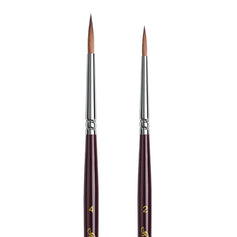
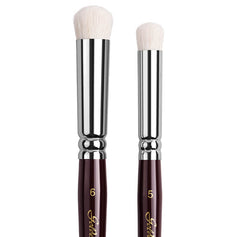
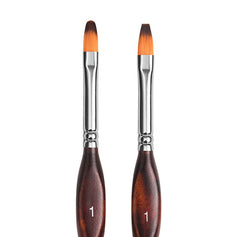
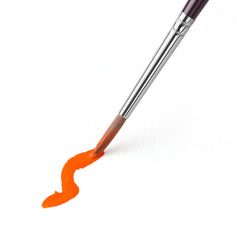
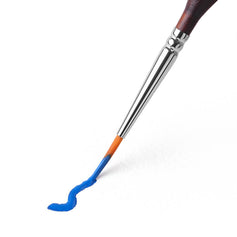
- Detail Brushes: A quality synthetic or Kolinsky sable brush in sizes 0 or 1 offers excellent control for most miniature painting projects.
- Wet Palette: Keeps acrylic paints workable for smoother layering and blending.
- Miniature Primer: Creates a suitable surface for paint adhesion and improves durability.
Find the Miniature That Inspires You
Every miniature collection starts with a single model. Whether you prefer realistic scale models, fantasy figures, tabletop armies, or handcrafted dollhouses, the most important step is simply choosing a project that excites you.
Pick up your favorite tools, enjoy the learning process, and start building a miniature world that's uniquely yours.