

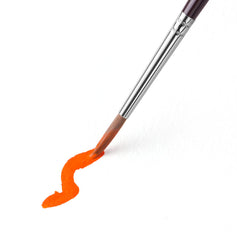
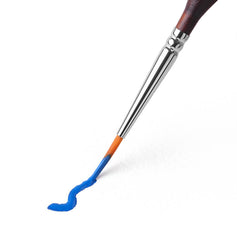

When painting miniatures, getting the paint consistency right can make a real difference. Acrylic paint straight from the pot may be too thick for smooth, even coats, while adding too much water can make it run into recesses or leave patchy coverage.
The trick is finding the right balance for the job. In this guide, we’ll look at how to thin acrylic paint for miniature painting, how to test its consistency before applying it, and how to avoid common mistakes.
Why Thin Acrylic Paint for Miniatures?
Paint straight from the pot can be too thick for small details, especially on faces, armor, and textured surfaces. Thinning it helps the paint spread more evenly and gives you better control over each layer.
- Preserve fine details: Avoid filling in sculpted features and textures with heavy paint.
- Reduce brush marks: Create a smoother finish across larger surfaces.
- Build color gradually: Add several thin coats to achieve even coverage without excessive buildup.
You may need a little patience with the first coat, as it might not cover everything right away. That's normal. Let it dry before adding another layer, and you'll have more control over the final result.
What Do You Need to Thin Acrylic Paint?
You don't need much to get started. A few basic tools are enough:
- Water: Clean water works well for thinning most water-based miniature acrylic paints.
- Acrylic paint thinner: Use a compatible thinner if recommended by the paint manufacturer.
- A palette: A dry or wet palette gives you space to mix and adjust your paint.
- A brush or dropper: Use a brush to mix small amounts or a dropper to add liquid more precisely.
For everyday brush painting, water is often all you need. Just keep in mind that adding too much can weaken coverage. Start with a little paint on your palette so you can make small adjustments without wasting a whole pot.
How to Get the Right Paint Consistency
You may have heard miniature painters describe the ideal consistency as skim milk consistency. It's a useful reference: the paint should flow smoothly from your brush but still have enough body to cover the surface.

Here's what to look for:
- Too thick: The paint drags across the model, leaves heavy brush marks, or builds up around fine details.
- Too thin: It runs into recesses, forms puddles, or leaves patchy coverage.
- Just right: It spreads in a thin, even layer while keeping the details visible.
Don't worry about matching the skim milk comparison perfectly. Different paints behave differently, and the best consistency also depends on what you're painting. A basecoat usually needs more coverage than a glaze or a delicate highlight.
The easiest way to judge your mixture is to try it on a spare primed surface before moving on to the miniature itself.
How to Thin Acrylic Paint Step by Step
There's no universal acrylic paint thinning ratio that works for every brand and color. Rather than measuring out a fixed amount of water, start small and let the paint's behavior guide you.
Start with a Small Amount of Paint
Place a little paint on your palette instead of thinning the whole pot. You only need enough for the area you're working on, and a smaller amount is easier to control.
Leave a little space beside it for mixing. That way, you can add water or thinner gradually without making a mess or running out of room.
Add Water or Thinner Gradually
For most water-based miniature acrylic paints, clean water is a good starting point for brush painting.
- Add a small drop: It's easier to add more liquid than to rescue a mixture that's become too watery.
- Mix thoroughly: Make sure the water or thinner is fully blended into the paint.
- Check the flow: If the paint still feels thick or leaves heavy marks, add a little more and mix again.
Take your time here. A small adjustment can make a noticeable difference, especially when you're working with fine details.
Test Before Painting the Miniature
Before applying the mixture to your model, try it on a primed surface or an inconspicuous area to check how the paint behaves.
Check whether the paint spreads smoothly and provides enough coverage. If it's too thick, add a little more thinner. If it runs or loses too much coverage, mix in a small amount of the original paint.
There's no need to get the mixture perfect on the first try. Adjust it gradually and test again until it flows well without obscuring details.
How to Test Paint Consistency: The Dot, Line, and Surface Method
Getting the right paint consistency takes more than looking at the mixture on your palette. The dot, line, and surface method helps you check how much paint you're picking up, how it behaves on the model, and whether the final color looks even after drying.
Dot: Control What You Pick Up

Use the tip of your brush to pick up water and paint. Keep the amount controlled at the tip so you can manage how much liquid reaches the miniature.
This first step matters because even well-thinned paint can pool if you load too much onto your brush. Controlling the amount you pick up helps you apply the paint more precisely.
Line: Check Paint Consistency on Your Hand

Draw a line on the back of your hand with the thinned paint. Your skin provides a useful surface for checking how well the paint covers an underlying skin tone while retaining fine texture.
The paint should slightly cover your skin tone without hiding the natural lines and texture of your skin.
- Too thin: The paint runs or pools on your skin instead of staying where you apply it.
- Too thick: The line leaves obvious brush marks or a raised, powdery texture.
- Just right: The paint lightly covers your skin tone while allowing the fine lines of your skin to remain visible.
This test helps you judge the balance between coverage and texture before moving on to your miniature.
Surface: Check the Dried Color

Once the line test looks right, continue drawing lines next to one another until they form a small painted area. Let it dry completely before judging the result.
Look at the color across the whole area. If it appears even and consistent, your paint is likely at a suitable thinning level. If some areas look patchy or the color varies noticeably, adjust the mixture and repeat the test.
Checking the dried surface gives you a better idea of how the paint will look on your miniature, rather than relying only on its appearance while wet.
Common Paint-Thinning Mistakes and How to Fix Them
Even with a good starting consistency, things don't always go to plan. Use this table to identify what's happening and decide what to change.
| Problem | What to do |
| Paint is too thick | Add a small amount of water or compatible thinner. Mix well and test again. |
| Paint is too thin | Mix in a little original paint to restore coverage. |
| The finish looks streaky | Apply thinner coats and let each one dry before adding the next. Avoid brushing repeatedly over paint that's already starting to dry. |
| Paint becomes thinner on a wet palette | The paint may have absorbed extra moisture. Remix it and add a little original paint if needed. |
| Fine details are getting obscured | Avoid using one heavy coat to improve coverage. Build up the color gradually with several thin layers. |
If a coat doesn't look right, resist the urge to keep brushing over it while it's drying. Let it dry first, then decide whether it needs another layer or a small correction. It's usually easier to fix the problem once you can see the actual finish.
FAQs About Thinning Acrylic Paint for Miniatures
Q1: Can You Thin Acrylic Paint with Water for Miniature Painting?
A: Yes. Clean water is often enough for thinning water-based acrylic paints used with a brush. Add it gradually and test the mixture to make sure it still covers the surface well.
Q2: What Is the Best Ratio of Water to Acrylic Paint for Miniatures?
A: There isn't one ratio that works for every paint. Different brands, colors, and techniques need different amounts of thinning. Start with a small drop of water, mix well, and adjust until the paint flows smoothly while retaining enough coverage.
Q3: Should Acrylic Paint Be Thinned for Every Coat?
A: Not necessarily. Basecoats may need more coverage, while layering and glazing usually call for thinner paint. Adjust the consistency to suit the technique, and aim for smooth layers that keep your miniature's details clear.
A Little Practice Goes a Long Way
Getting the paint consistency right becomes easier with practice. Start with a small amount, adjust the water gradually, and take a moment to test your mixture before moving on to your miniature.
You won't always get it right on the first try, and that's perfectly fine. As you become more familiar with how your paints behave, you'll find it easier to achieve smooth coats, build up color, and keep those tiny details crisp.
[product-cards]