From Basecoat to Highlight: Choosing the Right Miniature Paints
For miniature painting, water-based acrylic paint is a practical choice for most projects. It dries relatively quickly, can be thinned with water or acrylic medium, and works well for everything from basecoating to layering, shading, and highlights.
But different paints serve different purposes. The best choice depends on the models you paint and the techniques you use.
Start Here: Which Paint Is Right for Your Miniature?
A versatile acrylic paint set is a good starting point for most painters. From there, you can add specialty paints for specific techniques or projects.
Paint Type
Best For
Acrylic paint
Basecoating, layering, shading, and highlights
Contrast paint
Quick color and shading
Masking fluid
Clean edges and protected areas
Game Color (optional)
A wider color selection for tabletop projects
NMM paint (optional)
Creating painted gold and silver effects
Building Your First Miniature Paint Palette
If you are building your first miniature paint collection, start with a multi-color acrylic set. An 18-color set, for example, gives you a useful range of colors without requiring you to buy dozens of individual bottles.
Use them straight from the bottle when you need solid coverage, or thin them for smoother layers, glazes, and finer details. As you paint more, you can add individual colors based on the models and color schemes you work with most.
Painting Different Models? Pick Paints for the Job
Once you have the basics covered, specialty paints can make certain techniques easier:
Characters and display miniatures: Use versatile acrylics for controlled layering, shadows, and highlights.
Tabletop armies: A broader Game Color range helps you maintain consistent colors across multiple models.
Armor and weapons:NMM paints are designed for creating the appearance of gold or silver without metallic pigment.
Fast painting:Contrast paints can add strong color and shading in fewer steps.
Sharp color separation:Masking fluid helps protect selected areas while you paint around them.
It’s Not Just About the Color
Color is only one part of choosing miniature paint. Opacity, pigment concentration, consistency, flow, drying time, and finish all affect how a paint behaves on a small model.
For miniature painting, you generally want paint that provides good coverage without hiding sculpted details. A matte finish can also help reduce unwanted reflections and keep attention on the model itself.
The same paint may need a different consistency depending on the technique. Thicker paint works well for coverage, while thinner paint gives you more control for layering and glazing.
Build Your Collection Around the Way You Paint
Start with a basic set and see which colors you reach for most. As you paint more, you may find that mixing certain shades over and over is more trouble than it is worth. If you often mix red and yellow for orange, for example, keeping a ready-made orange saves time and keeps your color consistent.
Over time, your paint collection may look something like this:
A basic set for everyday colors
Individual colors you use often
A few go-to shades that suit your painting style
Less-used colors for occasional projects
You do not need every color. Let your collection grow with the way you paint.
Frequently Asked Questions
Q: What type of paint is best for miniature painting?
A: Water-based acrylic paint is a practical choice for most miniature projects because it is easy to thin and works well for basecoating, layering, shading, and highlighting.
Q: How many colors do I need to start?
A: A versatile set of around 18 colors can provide a good foundation. You can add individual or specialty colors as your projects grow.
Q: What are NMM paints used for?
A: NMM, or Non-Metallic Metal, creates the appearance of metal through carefully placed shadows, midtones, highlights, and reflections rather than metallic pigment.
Q: Should acrylic paint be thinned for miniatures?
A: Usually, yes. The ideal consistency depends on the technique. Basecoats generally need more coverage, while layering and glazing benefit from thinner paint.
سلة التسوق 0
Spend $109 USD to receive a free Halloween Gift Box.



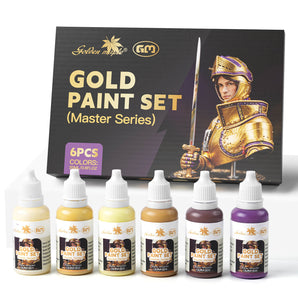 Gold NMM(Non Metallic Metal) Color Miniature Paint Set: 6 Bottles x 20 ml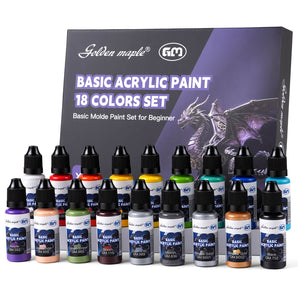
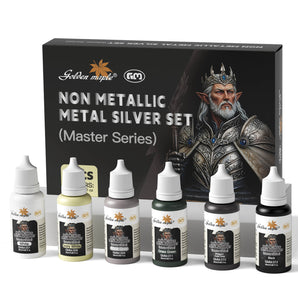 Silver NMM (Non Metallic Metal) Color Miniature Paint Set: 6 Bottles x 20 ml
 Series 1 | Game Color Miniature Paint Set: 16 Bottles x 20 ml